Friend, On Tuesday, ZTA 25-02— “More Housing N.O.W.”—passed with an 8–3 vote. Councilmembers Will Jawando, Kristin Mink, and Sidney Katz stood on the side of the people, while the rest of the Council ignored the chorus of concerned voices across Wheaton, Aspen Hill, Kemp Mill, Bethesda, Chevy Chase, Olney and Upcounty. But that didn’t stop the EPIC community from showing up. We filled a bus. We filled the room. And for many who came, it was the first time they had ever stepped foot inside the County Council Building or seen the Council at work. They Met Planning Director Jason Sartari, Deputy Planning Director Robert Kronenberg and Housing Planner Lisa Govoni, each explaining what they did and the planning process. 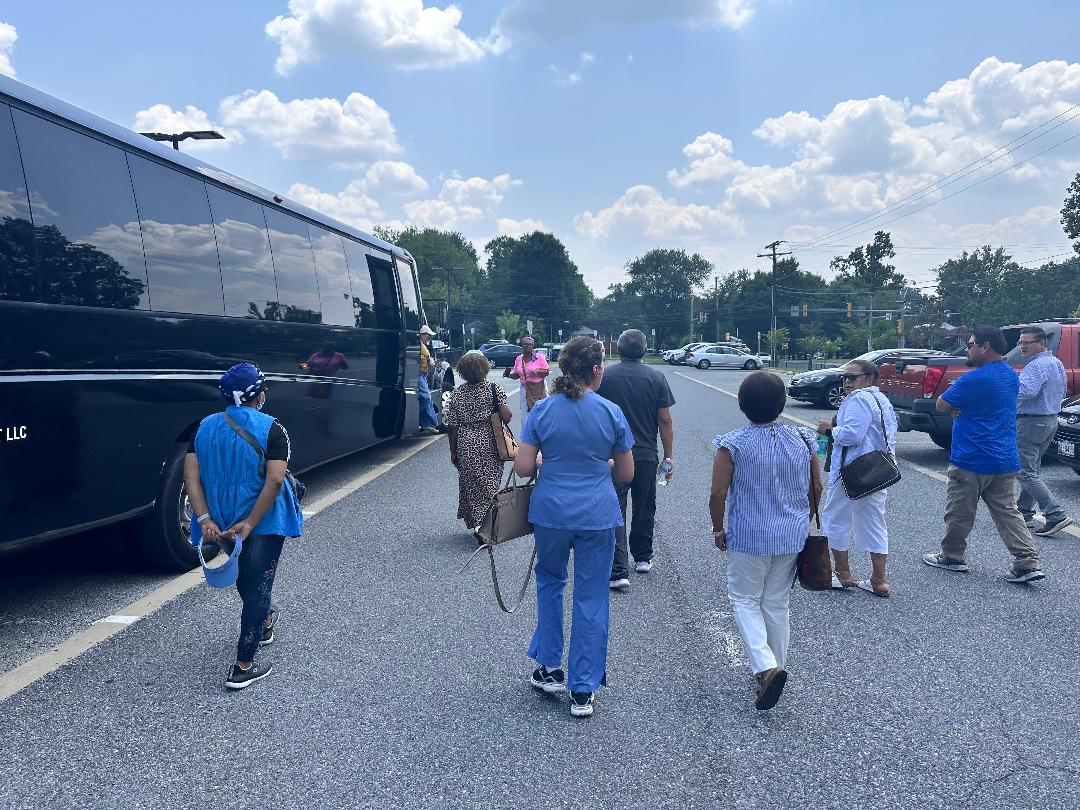 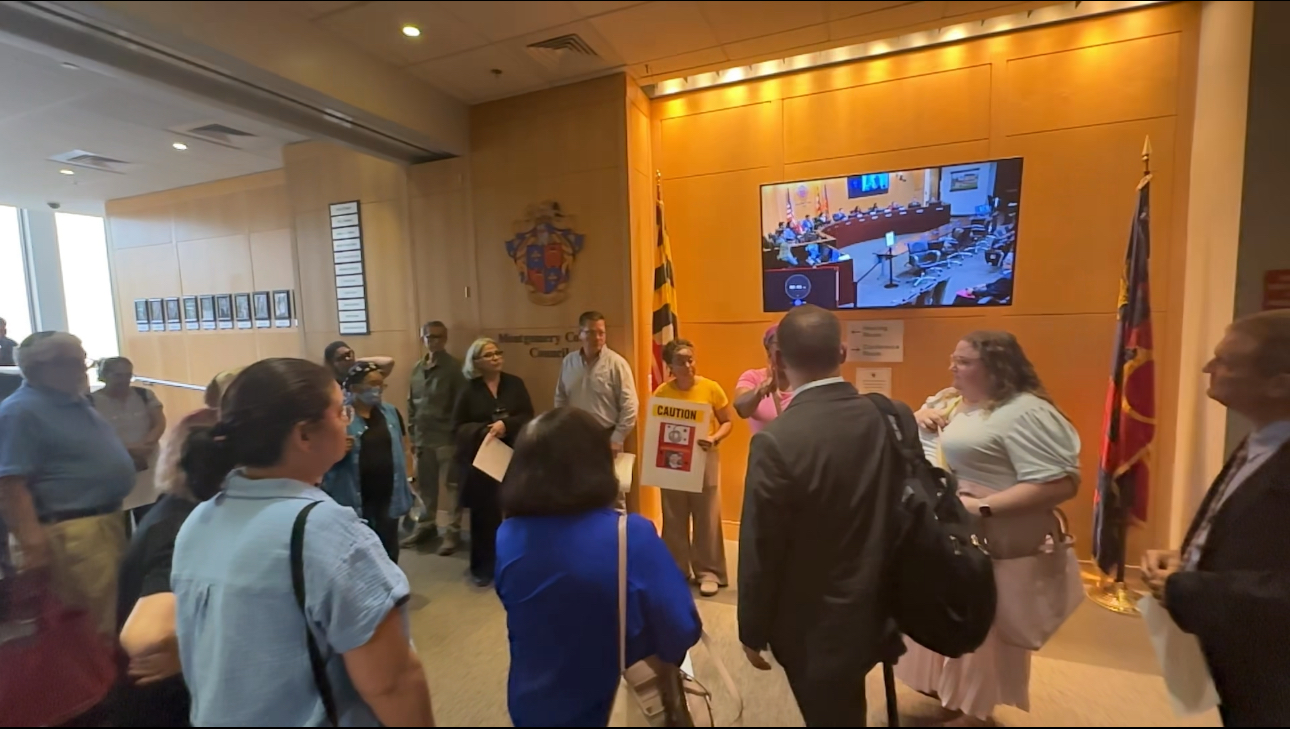 However, what should have been a moment of civic pride—a diverse group of residents taking time from work, families, and responsibilities to witness democracy in action—was instead met with suspicion, subtle disrespect, and thinly veiled microaggressions. From the moment we entered the building, a heavy police presence hung over us like a threat. Officers posted outside the Council chamber and inside. Why? What was the threat? Was it our presence—Black, Brown, Jewish, working-class residents from Wheaton—finally showing up to participate in the political process? At no time during any of these housing conversations has there been violence—verbal or physical. Not at the hearings, not at listening sessions, not even during Councilmember Natali Fani-González’s listening session, where EPIC of MoCo—working with other community groups, faith leaders, and concerned residents—mobilized 500–600 people to pack the room and make their voices heard - a number far beyond her usual turnout—and still, the event remained respectful and peaceful. So why the need for such a visible show of force now? Was this in direct response to that level of turnout? Was it because we're from Wheaton? If so, it sends a deeply troubling message: that when communities of color, faith and working class are organized, informed, and united—we are viewed as a threat, not as participants in democracy. Then came the moment when Councilmember Kate Stewart looked at the posters residents were holding—images of a wrecking ball, symbolizing the destruction these zoning laws would bring—and claimed she saw bombs. Let’s be clear: the posters were clearly labeled “wrecking balls.” A metaphor, yes—but not a threat. Not violence. This kind of mischaracterization isn’t harmless. It weaponizes fear and distorts peaceful protest. In a room full of residents—many of them people of color—it also reinforces a dangerous pattern: when communities speak out, their resistance is labeled as aggression. As one resident put it, the wrecking ball symbolizes what’s really happening: elected officials, through their votes, are about to demolish the lives of the very people they claim to represent. It didn’t stop there. A journalist from Bethesda Magazine took the false claim and published it as fact—it has since been retracted—but not before exaggerating the situation with inflammatory language like “volatile” and claiming police were needed for crowd control. None of that happened. In fact, Councilmember Albornoz remarked, “…I’ve been to several of those other council meetings where there was screaming and yelling—you guys were much more tame than those crowds were.” In a room full of people of color, this kind of reckless reporting isn’t just disappointing—it’s dangerous. Irresponsible journalism like this reinforces harmful racial stereotypes, casting entire communities as threatening or unruly. The consequences are real: it undermines public trust, justifies over-policing, and silences communities already fighting to be heard. Then, Stewart had the audacity to lecture the crowd on respect—as though we hadn’t just been falsely accused and surveilled. She said we should be able to “disagree respectfully.” But that principle, it seems, only works one way. The Council shows no such respect in return. Instead, it delivers microaggressions masked as civility, sends officers and county employees to patrol peaceful residents, and mislabels our presence as disruption. For years now, residents who have questioned or opposed Thrive 2050, AHSI, or More Housing N.O.W. have been labeled as racist—even when our concerns are rooted in lived experience, data, and deep community engagement. That false and harmful narrative has not only been tolerated by the County Council—it has been actively amplified by some members. Councilmember Natali Fani-González declared that if you don’t support More Housing N.O.W., you’re not a progressive. She then went even further and publicly called residents liars. And aside from one Councilmember who has consistently defended us, the rest have chosen to remain silent. What does disrespect look like? It looks like Councilmember Laurie-Anne Sayles cancelling a scheduled community meeting at the last minute, costing us money and wasted time. Mid-County Director advertised a meeting with Councilmember Fani-González for a Thursday evening—but it was canceled just hours before, with the excuse that the meeting was held two days earlier. Is this the County’s definition of meaningful community outreach? Meanwhile, Councilmember Gabe Albornoz took over two and a half months to respond to our request for a meeting. What was supposed to be a conversation with the community was downgraded to a Zoom call, and ultimately his office wanted a private one-on-one. Yet the community is told that we’re the ones being disrespectful? This isn’t Montgomery County? Really?” Because for many of us, this is exactly what it’s always been. our communities are ignored, disrespected, and policed for daring to participate in our own governance. This is what systemic racism looks like in real time. It’s not just in the policy—it’s in the atmosphere, the power dynamics, the microaggressions, and the double standards we face just for showing up. And still—we showed up. And we will keep doing so. Because we know the truth: when communities of color claim space, when communities come together, when we build an inclusive movement in a system designed to divide and exclude us—that system calls it a threat. But we call it power. | 